Key Questions Answered: Why is autumn the single most impactful window for turf recovery in southeastern Wisconsin? How do core aeration and root-focused fertilization protect cool-season grasses from harsh freeze-thaw cycles? What specific maintenance steps guarantee thick, weed-resistant turf next season?
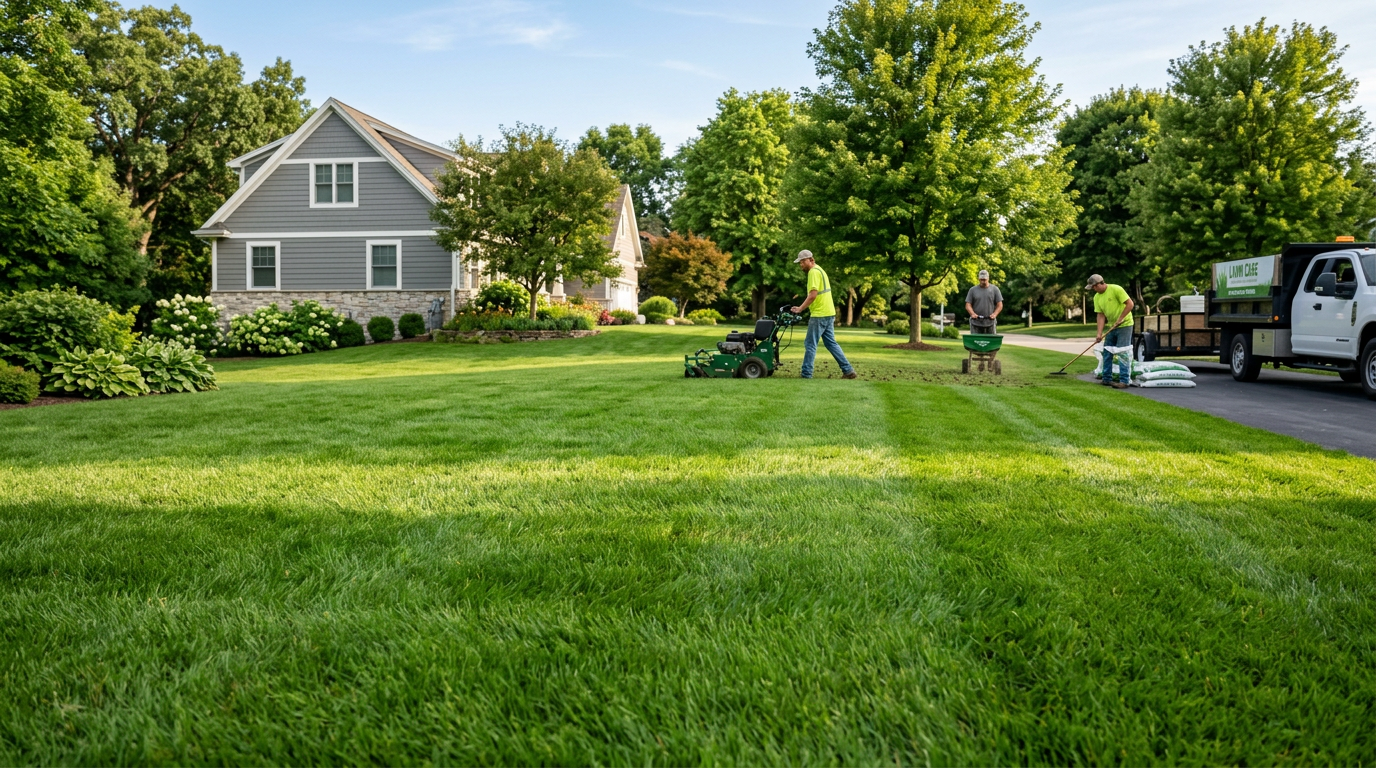
When preparing your yard for the freezing months ahead, investing in proper lawn care cedarburg wi property owners trust makes the difference between a sparse, weed-prone yard and a dense, emerald lawn come April. Autumn brings cooler air temperatures alongside warm soil conditions, creating an ideal biological environment for root development across southeastern Wisconsin.
While many homeowners mistakenly wind down their yard maintenance as summer fades, turfgrass experts know that autumn is actually when grass plants shift energy storage underground. By addressing compaction, bare patches, and soil nutrient depletion now, you set up your property for sustained health all year long.
In southeastern Wisconsin USDA Hardiness Zone 5b, cool-season grasses such as Kentucky bluegrass, perennial ryegrass, and fine fescues stop prioritizing top-blade growth and begin funneling carbohydrates directly into their root networks. Implementing targeted autumn lawn care in Cedarburg, WI during September and October builds dense root reserves that protect against winter desiccation, snow mold, and frost heaving. Property owners who execute core aeration, overseeding, and tailored soil feeding before the first hard freeze enjoy earlier spring green-up and natural weed suppression without unnecessary chemical treatments.
Turf species throughout Ozaukee and Washington County are almost exclusively cool-season varieties. These plants thrive in temperate conditions and experience severe physiological stress during hot, dry July and August weeks. When late September arrives, daytime temperatures drop into the 60s while nighttime temperatures stay above freezing, signaling grass plants to initiate recovery mode.
During this period, transpiration rates decrease dramatically. The grass plant retains moisture more efficiently and redirects photosynthetic energy downward. According to regional Wisconsin Landscaping Calendar guidelines, the window spanning September into late October represents the highest-return timeframe for turf restoration across the entire annual calendar.
Air temperature often misleads homeowners. Soil temperature is the true biological trigger for root growth and seed germination. When two-inch soil temperatures hover between 55°F and 65°F, turf roots actively branch out, seeking micronutrients and moisture. As soil cools toward 40°F in late November, root cell division slows into dormancy. Every treatment scheduled during autumn works in harmony with this natural physiological curve.
Many property owners unintentionally harm their turf by applying spring maintenance habits during the fall season. Understanding these common mistakes protects your investment and saves hours of frustrating repair work later.
Common MistakeUnderlying RiskRecommended ActionCutting grass extremely short too earlyExposes crowns to early frost and shocks root systemsMaintain 3 to 3.5 inches until the final seasonal cut in NovemberLeaving thick leaf piles on turfBlocks sunlight and traps moisture, causing fungal snow moldMulch light leaf scatter or schedule prompt fall cleanupsSkipping aeration on heavy clay soilsStarves root systems of oxygen and causes standing waterPerform mechanical core aeration annually every September or OctoberApplying high-nitrogen fast-release fertilizer lateForces tender top growth that freezes and damages grass crownsApply slow-release formulations balanced with potassium
Southeastern Wisconsin features dense, clay-heavy soils that become tightly packed after months of summer foot traffic, lawn mowing equipment, and heavy rainfall. When soil compacts, the microscopic pore spaces collapse. Water runs off rather than penetrating the root zone, and roots remain shallow, leaving the yard vulnerable to winter injury.
Mechanical core aeration pulls small soil plugs—typically two to three inches deep—across your lawn. This process delivers immediate agronomic benefits:
If your lawn has thin areas or suffered heat stress during July, overseeding immediately after core aeration is the gold standard for restoration. Dropping seed into fresh aeration holes protects seedlings from birds and wind while keeping moisture concentrated right at the seed coat. By introducing resilient blends of Kentucky bluegrass and turf-type tall fescues, your turf develops natural resistance to pests and future summer drought.
Spring feeding makes grass grow tall rapidly, requiring frequent mowing. In contrast, late-season autumn fertilization builds cellular strength. Applying a balanced autumn fertilizer formulation provides nutrients that grass plants convert into stored carbohydrates.
These carbohydrate reserves serve three essential functions during the long Wisconsin winter:
No two properties in Cedarburg or neighboring communities are identical. Your property layout, shade profile, and soil composition dictate how autumn lawn maintenance should be customized:
When you need reliable, professional lawn care cedarburg wi and surrounding areas count on, Turf & Tree Worx brings more than 30 years of local expertise to every property. Based right in West Bend, WI, our team understands the unique soil compositions, microclimates, and seasonal demands of communities across Cedarburg, Grafton, Jackson, Germantown, and Mequon.
Whether you require precision core aeration, custom turf restoration, garden bed maintenance, or complete fall cleanups, our experienced crew uses commercial-grade equipment and proven agronomic methods tailored specifically to Wisconsin seasons. We treat every property with meticulous attention to detail, ensuring your turf enters winter protected and emerges in spring lush, thick, and healthy.
The best window for core aeration and overseeding in southeastern Wisconsin runs from late August through mid-October. During this period, daytime soil temperatures remain warm enough for rapid germination and root expansion, while cooler nights reduce moisture evaporation and weed pressure.
Keep your grass at a normal 3 to 3.5 inches throughout most of autumn to maximize photosynthesis. On your final mowing of the year—typically in early to mid-November when active growth stops—lower the mower deck slightly to approximately 2.5 inches. This prevents tall grass from matting under heavy snow and minimizes the risk of snow mold fungus.
Standard broadleaf weed controls and pre-emergent herbicides will prevent new grass seeds from germinating. If you are overseeding, avoid applying conventional weed control products until the new grass seedlings have been mowed at least three to four times, or use specialized starter formulations designed specifically for overseeding windows.
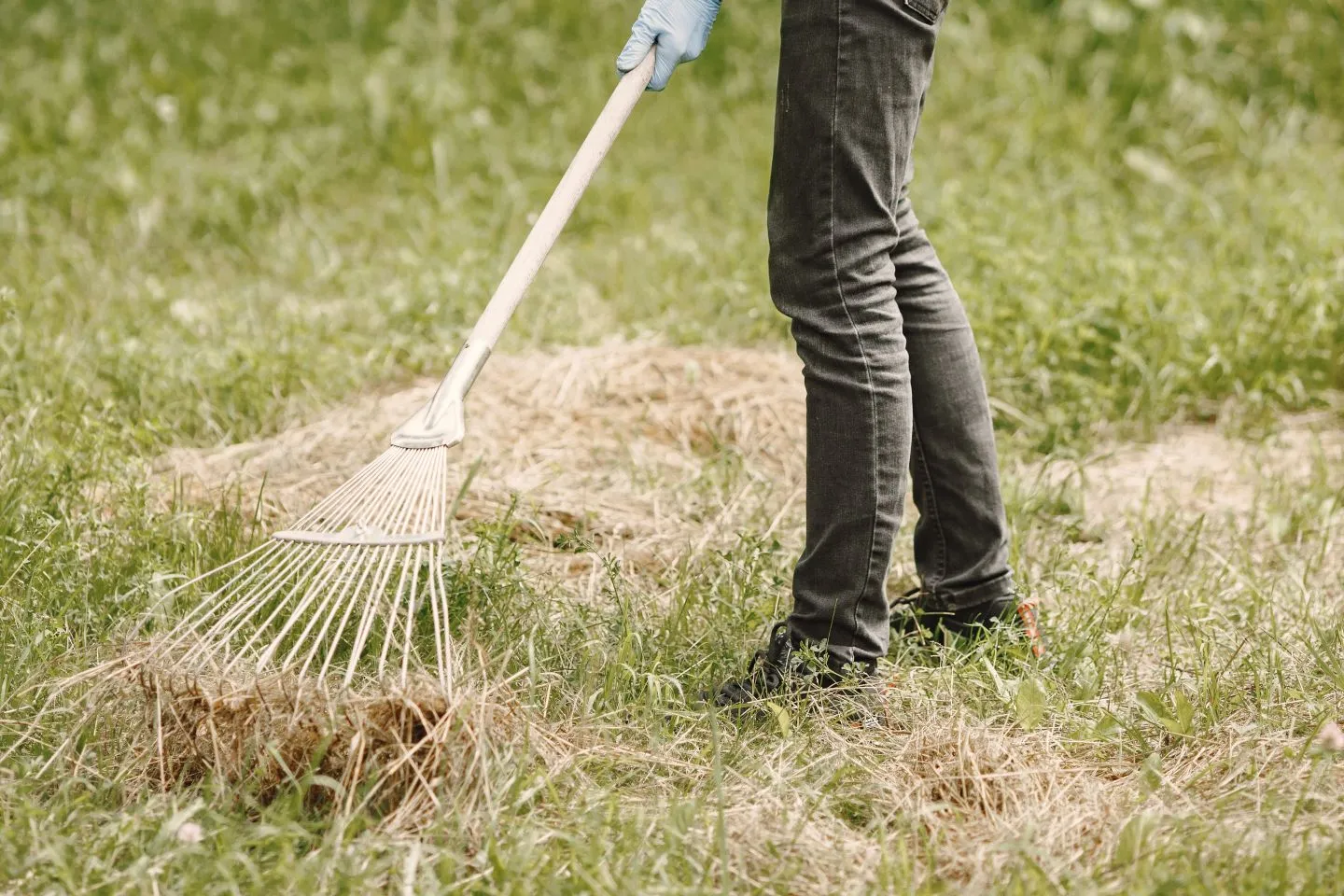
A dense layer of fallen leaves blocks vital sunlight, preventing your turf from generating stored carbohydrates before winter. Trapped moisture under leaf layers also creates a breeding ground for snow mold and crown rot during winter snow cover. Light scatter can be mulched into the turf with a mower, but heavy blankets of leaves should always be collected and removed.
Taking care of your lawn in autumn is the most effective way to secure a vibrant, durable landscape next spring. By relieving soil compaction, overseeding thin areas, and applying root-building nutrients now, you protect your property against harsh winter weather. Contact Turf & Tree Worx at 262-675-2600 or visit us at 585 Washington Drive in West Bend, WI to schedule your seasonal property care today.

Turf & Tree Worx serves Southeast Wisconsin with expert lawn, landscape, tree, and snow services. Our coverage includes West Bend, Mequon, Brookfield, Menomonee Falls, Cedarburg, Grafton, Germantown, and surrounding communities. With over 30 years of local experience, we deliver dependable care built for Wisconsin’s seasons.

.avif)
.avif)
.avif)